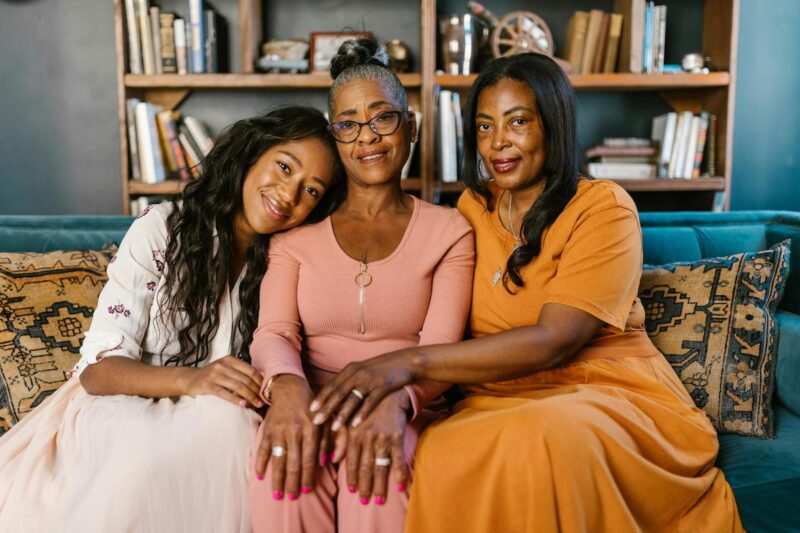
Ageing is a natural physiological phenomenon . It is an inescapable and progressive process that affects every living organism (plant, animal or human) and affects all its components, from the most basic of molecules to its most elaborate levels, including the brain.
So is our hair also slowly deteriorating? Unfortunately, the answer is yes! Hair ageing is indeed a natural process, the effects of which we can observe as time goes by, sometimes even at a relatively early age, regardless of our biological age. Unfortunately, the process is irreversible, at least for the time being!

Baldness can occur at a very early stage
In this article, Centre Clauderer offers you its expertise and advice to help you avoid the damaging consequences of hair ageing.
Hair ageing: how it works
The hair life cycle: an unchanging rhythm
Our hair is formed from the hair follicle, which is supplied with oxygen and essential nutrients by the blood vessels that supply the scalp. It depends on the support in which it grows for its survival and healthy life. Like all living organisms, hair follows an inescapable cycle: it is born, lives and dies - this is what we call the hair life cycle. And like all living organisms, it goes through a transitional phase before dying: it ages.
For the record, the 3 phases of the hair life cycle are as follows:
- anagen
- catagen
- telogen
How can you recognise ageing hair? The signs that can't be mistaken
The first wrinkles, skin that tightens and becomes dry, less physical stamina - these are the first signs our body sends us that our 20s are slipping away. And what about our hair?
How do we know that our hair is ageing too ?
- Grey hair, the first sign of ageing. An unmanageable process, the appearance of the first grey hair is often a source of stress, especially as they can appear at an early age, even in one's twenties, due in part to genetic and environmental factors. Grey hair is not diseased hair, but hair whose colour capital (its melanin reserve) is gradually being depleted. For the moment, there's no turning back and the process is irreversible, but who knows, one day ....
- Loss of density, another sign of hair ageing. Hair becomes thinner and harder to style. This phenomenon is more or less insidious, depending on the hair's ability to renew itself optimally. Women's hair has an average lifespan of 5 to 7 years, men's hair 3 to 5 years. When the hair can no longer live that long, it dies prematurely and the hair that replaces it is still too fragile to have developed optimal growth capacity. The infernal cycle has begun. The hair continues to grow, but at an accelerated rate. The hair dies and falls out prematurely. It becomes thinner after each cycle. Influence of hormones (female hormones protect the hair follicle but, at the menopause, when female hormones gradually lose their protective power, heredity (but it's also a form of hormone dependency, since the DHT that attacks hair follicles in cases of genetic predisposition is generated by androgens), the reasons for hair loss are numerous, complex and often cumulative. According to a study, more than 38 % of women aged over 50 have noticed a thinning of their hair: the menopause has come and gone. Continued hair thinning can also be the result of repeated bad habits that damage the hair year after year: certain hairstyles, for example, can cause traction alopecia.
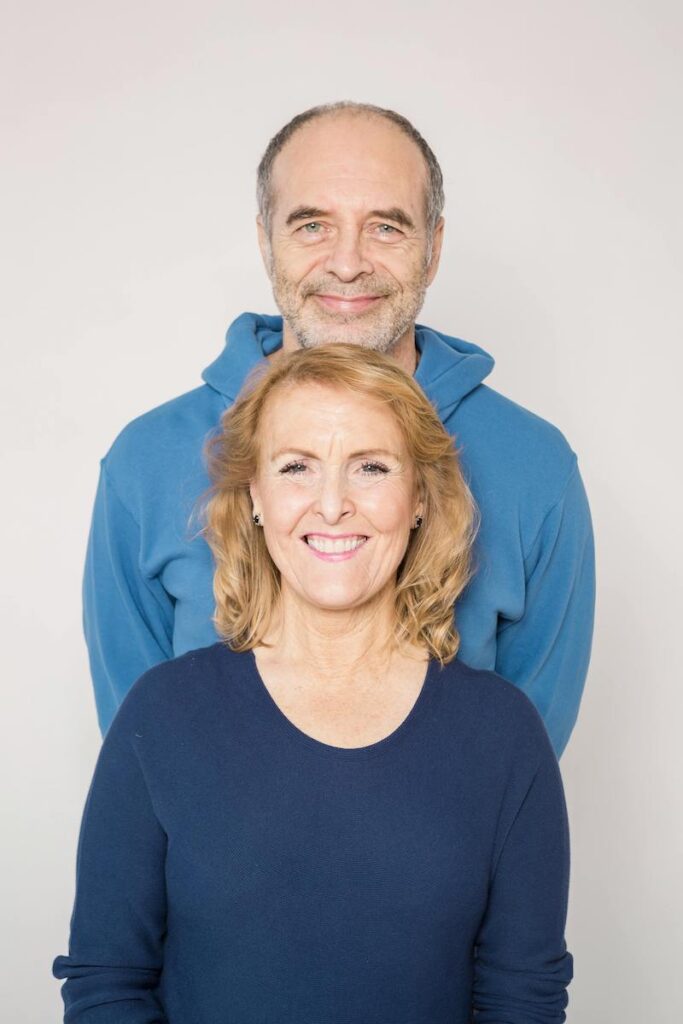
The effects of hair ageing: more diffuse loss of density in women, marked baldness in men
- Hair regrowth in slow motion, or even at a standstill. For women as for men, and whatever our hair type, our hair capital is sufficient for us to be able to blow out our 100 candles with almost all our hair! In theory, each hair follicle is capable of producing hair for 20 to 25 cycles on average. But there are many factors that affect this delicate balance. Over time, cell regeneration slows down, the hair follicle 'tires' and produces weaker hair each time. In the end, the hair capital is exhausted and, in a given area, baldness sets in: clearly visible and marked hair deterioration in men, with completely bald areas (baldness), more diffuse in women, where a widened median parting and thinning temples are more noticeable.
- And scalp ? no beautiful hair without a healthy scalp! that's the basis. A healthy scalp is a supple, healthy-looking epidermis (free from flaking, itching or redness) that renews its cells at a rate of 14 days - compared with 21 days for the rest of the epidermis. However, with age, the epidermis tends to renew itself less quickly and less easily (the skin dries out and wrinkles). The same applies to the skin of the skull, resulting in a drier, less well-supplied scalp. The hair follicles are less well nourished because blood micro-circulation is slower: less nourished, they become smaller and produce weakened hair, and eventually no hair at all.
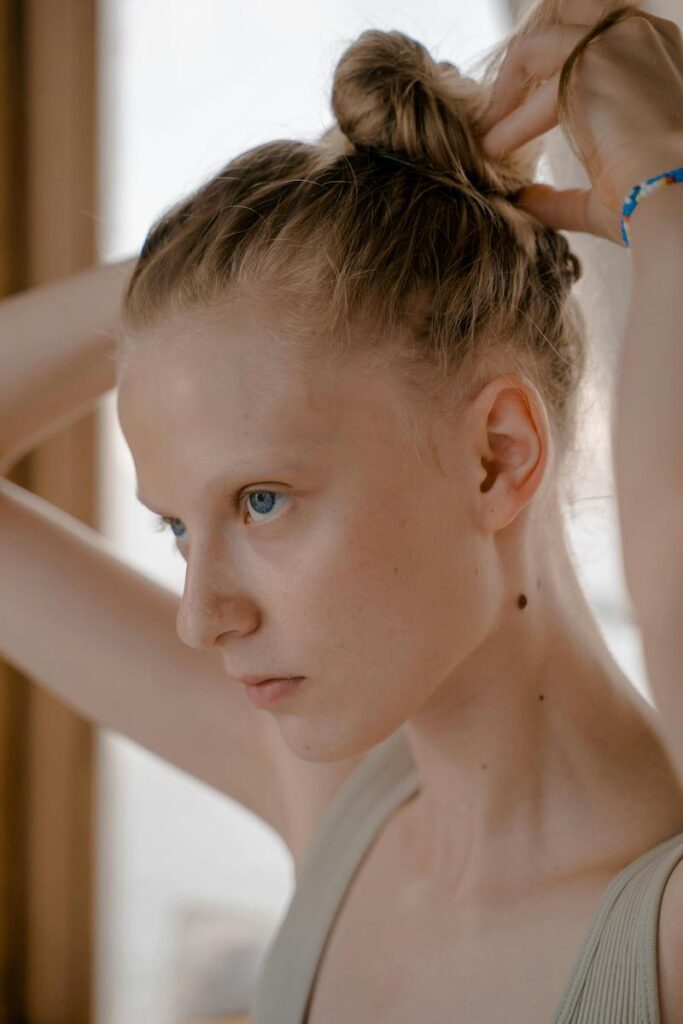
Traction alopecia in women: beware of bad habits
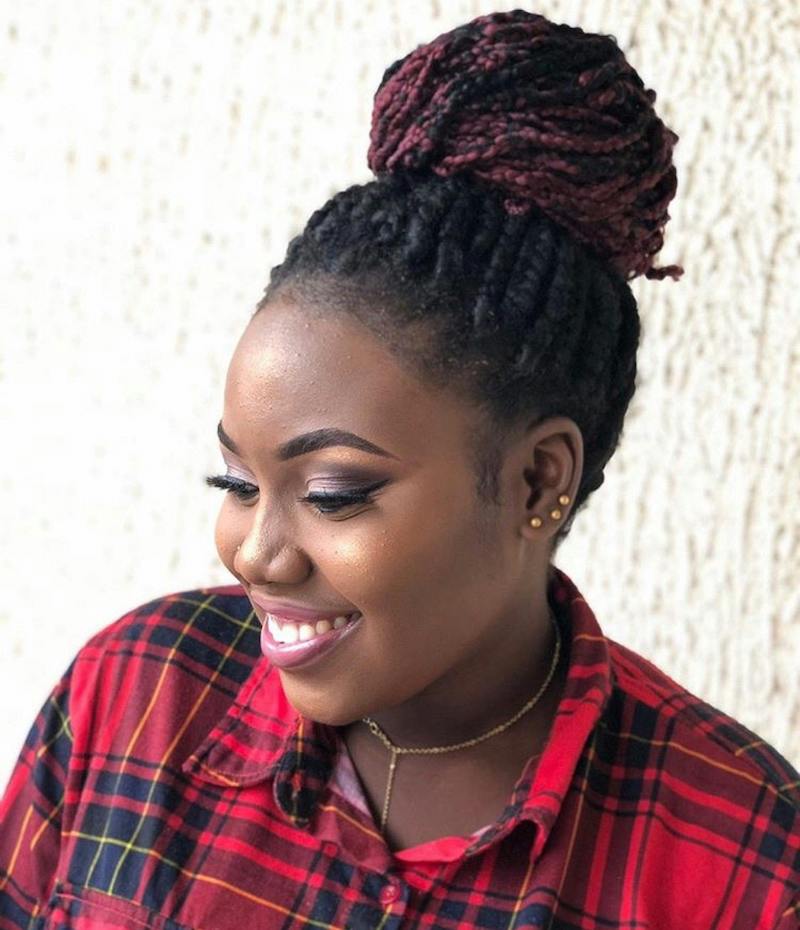
What can be done to slow the effects of hair ageing?
it's never too late to adopt good habits and reduce the factors that accelerate hair ageing.
- Choose an "anti-ageing" diet, favouring fresh produce and minimally processed foods. Oily fish rich in omega-3, green vegetables, fresh fruit, good quality vegetable oils, etc. all contribute to our nutritional balance. If necessary, a course of targeted food supplements will help protect the health of your hair. Bonus: a healthy diet also means saying goodbye to certain pathologies that are often linked to age: cholesterol, diabetes, cardiovascular disease and their drug treatments, etc.
- tobacco and alcohol are the sworn enemies of cell renewal: it's best to avoid them, especially as stopping them very quickly brings undeniable benefits
- A bit of sport? Don't hesitate to (re)get moving, because staying active is good for the body and the mind. What's more, physical activity reduces the level of stress which is so harmful to healthy hair.
- Appropriate hair care - as hair becomes drier, we nourish it with fluid textures that are bursting with regenerating active ingredients: rosemary, wheat germ or aloe vera... Drier hair is more fragile and breaks easily, so beware of brushing and excessive cosmetic manipulation that damage the hair fibre. This could be the time to choose a new haircut, adapted to hair that has been refined to give an impression of volume. Beware of chemical colourings that damage the cuticle. And beware of henna, which, under the pretext of sheathing the hair, makes it stiffer and even more brittle, not to mention dyeing accidents on grey hair!
- Massages to stimulate microcirculation in the scalp and boost blood flow
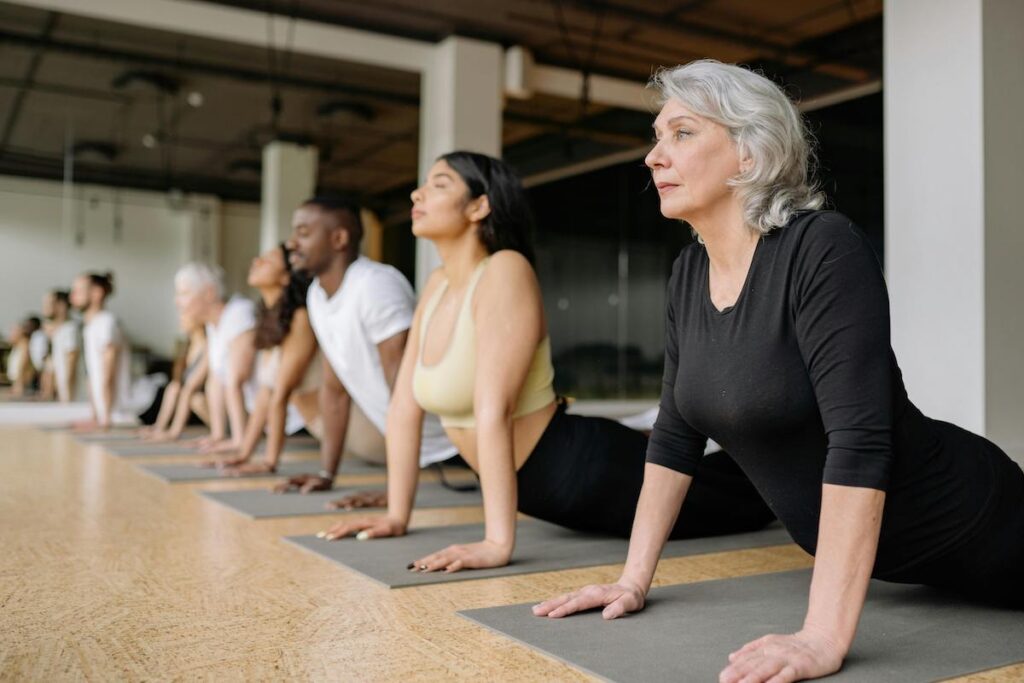
Taking care of yourself to take care of your hair, at any age
Our hair ages with us, but that's no reason to give up. The passage of time is inevitable, and if you want to age well, you have to accept it. You can keep your hair looking good at any age by following good hair care practices and, above all, by adopting a positive attitude.
Fighting hair ageing isn't so difficult after all. And while we're not all equal when it comes to this process, we can do all we can to slow down its undesirable effects and make the most of every moment. If we can age gracefully, so can our hair!
Jean-François Cabos is the creator of a unique hair care method based on the research he coordinated, which led to the publication of the book Hair, Roots of Life with Hélène Clauderer published by Robert Laffont (Collection "Réponses/ Santé").
