You can’t have healthy hair without a healthy scalp! As obvious as it may seem, looking after your scalp is still all too often the last thing on our minds. And yet, it’s the foundation. Just like a garden, the scalp is a bit like the soil that either encourages – or hinders – the growth of beautiful, vigorous plants. As such, it needs looking after: making sure it’s well-ventilated, free from weeds, neither too dry nor waterlogged, and regularly fertilised. A fully-fledged ecosystem in its own right, the scalp is a complex and fragile environment: the slightest imbalance affects the skin’s microflora and the growth of healthy hair. Understanding it well means providing it with specialised care that will protect this delicate balance.
Find out from the Clauderer specialists why you need to look after your scalp if you want to keep your hair looking good and avoid excessive hair loss.
The scalp: why is the skin of the skull so special?
The skin of our skull has special features compared to that of our body and that of our face. These differences explain both the strengths and weaknesses of the scalp.
Although it is made up of the same layers (epidermis, dermis, hypodermis) as the rest of our skin, the scalp :
- is the thickest skin on our body: 8 mm v. 2 mm on average
- is the area with the most blood vessels and hair follicles, to which are attached the sebaceous glands that produce sebum
- has 80 % of the skin's water reserves
- has a unique microbiota
- is particularly rich in nerve connections, which is why it is so sensitive.
Maintaining a balanced scalp
What is the purpose of the scalp?
The role of the scalp is to protect the internal organs (the most precious of which is the brain) from external aggression by means of several interconnected mechanisms:
- temperature regulation (thermoregulation): hair, sebum, skin layer
- prevention of dehydration: hair, perspiration
- immunity: microbiota and pH (5.5) provide a protective barrier against the onslaught of bacteria, radiation and other micro-organisms
Of course, we shouldn't forget that the function of the scalp is also - and above all - to produce hair. In an ideal world, when the scalp is healthy, the hair is strong, supple and silky.
When the balance is upset
Like the skin on our body or face, the scalp is sensitive to aggression of all kinds, but its unique microbiota makes it prone to more specific ailments. The skin of the skull reacts quickly and a disorder in the scalp will inevitably have repercussions on the health of the hair. The two are linked: no beautiful hair without a healthy scalp.
The main factors in scalp imbalance :
- scalp diseases: autoimmune diseases such as psoriasis, disorderly development of the Malassezia yeast responsible for seborrhoeic dermatitis attacks, inflammatory disorders, etc.
- poor regulation of sebum production, causing oily or dry dandruff and an uncomfortable, irritated scalp that is either too oily or too dry and dehydrated
- environmental factors (excessive sunlight, pollution, etc.) which cause itching,dandruff, allergies
- unsuitable hair products and cosmetic treatments: sensitised scalp, prone to itching, redness or even burns
- certain medical treatments (chemotherapy)
- infections linked to invasions: lice, ringworm, etc.
These factors can be all the more cumulative as they depend on other factors: heredity, diet, lifestyle, environment, stress, etc., all of which combine and add up to create a unique scalp: yours.

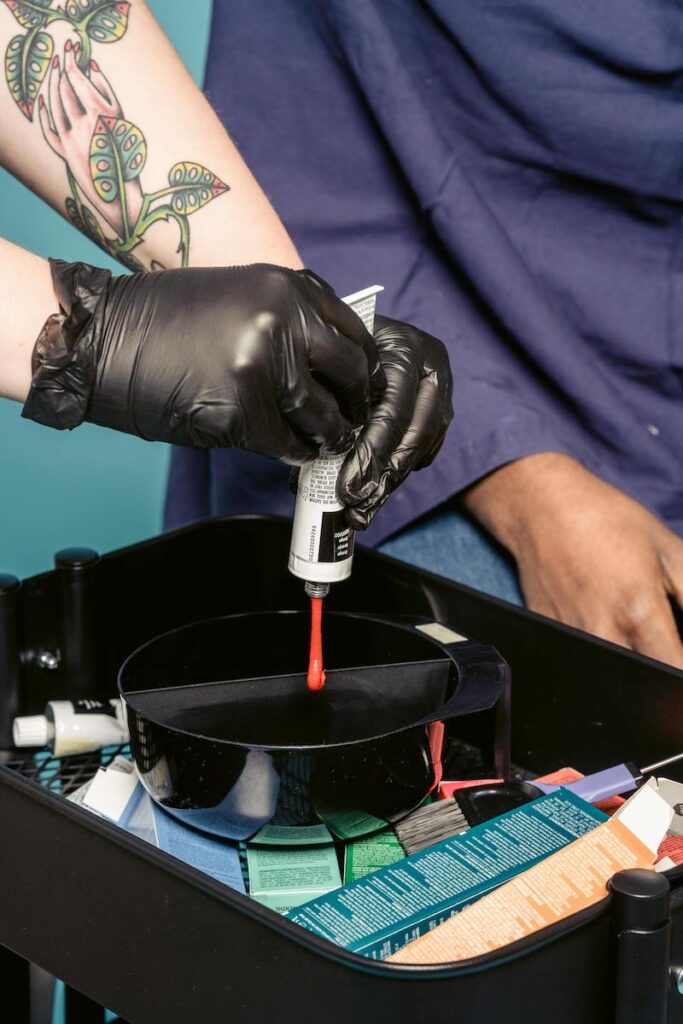
Pollution, chemical colourings, the scalp is subjected to many external aggressions
While some factors are intangible, others can be influenced to improve the condition of the scalp and stimulate the growth of strong, healthy hair.
How to restore or maintain a healthy scalp
The keys to a healthy scalp: the 3 Ps rule
- Purify
Pollution, excess sebum, dandruff, residue from hair care products, dead skin cells and minerals (hard water) – all these impurities pose a threat to the scalp. Indeed, as they build up, these impurities form a build-up that suffocates the scalp and can, over time, block the pores. The result: as well as the unsightly appearance of an oily scalp and greasy hair, hair growth is hindered, and itching and inflammation occur. When this becomes unbearable, we tend to scratch our scalp, pulling out a few hairs in the process. Conversely, an overly dry scalp, dried out by overuse of harsh, astringent hair care products (such as certain shampoos or lotions designed to treat the effects of dermatitis, for example), or simply because it is naturally very dry, will lead to further complications and just as much discomfort, such as an irritated, tight or even burning scalp. The solution? Gentle, natural soothing shampoos that cleanse gently. An emollient formula based on plant oils (wheat germ) will help to coat impurities so they can be removed more effectively during shampooing. Leave it on for a while to maximise the effects. A guaranteed detox! And it’s gentler than a scrub, which can be too abrasive.

A healthy scalp means healthy hair!
Good to know: a massage to oxygenate the scalp, yes, but with the hands (the fingertips) and not with a tool like the derma-roller: its small pimples applied to the fragile skin of the skull are not recommended for scalps suffering from irritation, lesions or pimples.
- Protect
It's essential to do everything you can to protect your scalp from the elements. So, summer or winter, protect your head with a hat, a cap, etc. If you don't have much hair, remember to apply a sunblock to protect your scalp from the sun's rays, even in town.
A healthy scalp is one that is supple, elastic and free from imperfections (itching, redness and dandruff are among the most common symptoms of a sick scalp), so we focus on cleansing the roots and regulating seborrhoea to protect it from these problems.
Ensuring the scalp's pH balance prevents the development of the bacteria responsible for many inflammations.
It's easy to look after your scalp!

The Afro scalps are particularly prone to dehydration as they are naturally drier than average, so wrap your hair in a silk scarf (an organic fibre that absorbs less of the hair’s natural moisture, thereby reducing breakage and frizz) before going to sleep.
- Specialised Products : Choosing the right shampoo for your scalp is the first step in a successful hair care routine. If you don’t have any hair or scalp problems, that might actually be all you need. This is the product you need to choose carefully to look after your scalp. Whether your scalp is sensitive, irritated, too oily or too dry, the shampoo must address these issues. It should also combat dandruff and balance the pH. As an added bonus, shampoo can add volume to fine hair, nourish dry hair strands (this is the role of a cleansing cream) or bring shine and vitality to dull, lifeless hair. However, forget about so-called «anti-hair loss» shampoos: to treat hair loss effectively, you need to penetrate deep into the hair follicle to stimulate it. This is something a shampoo cannot do. To complement your shampoo, there’s nothing better than a hair care routine using natural cosmetics tailored to both your scalp and your hair type (damaged, brittle, delicate, dry or coloured hair). Opt for light, nourishing and moisturising textures (lotions and milks), and beneficial formulas containing vitamins – particularly those in the B group – vegetable oils such as wheat germ oil, sweet almond, argan or jojoba, and essential oils with numerous beneficial properties (castor, rosemary, camphor or lavandin). These restorative treatments will be a real bonus to your beauty routine.
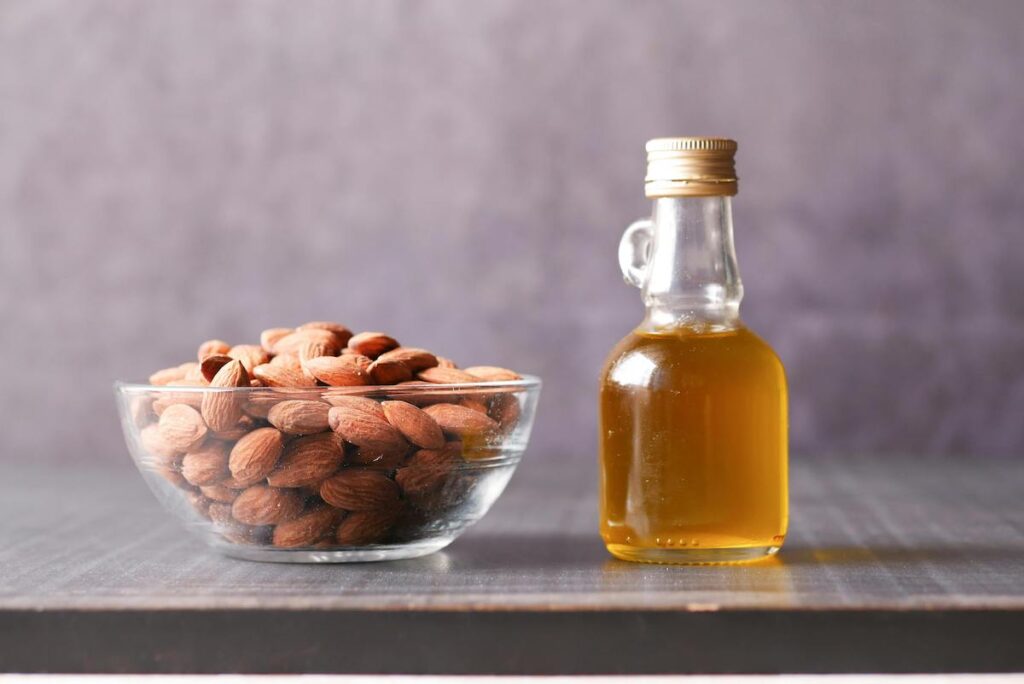
Nature is your best ally in caring for your scalp
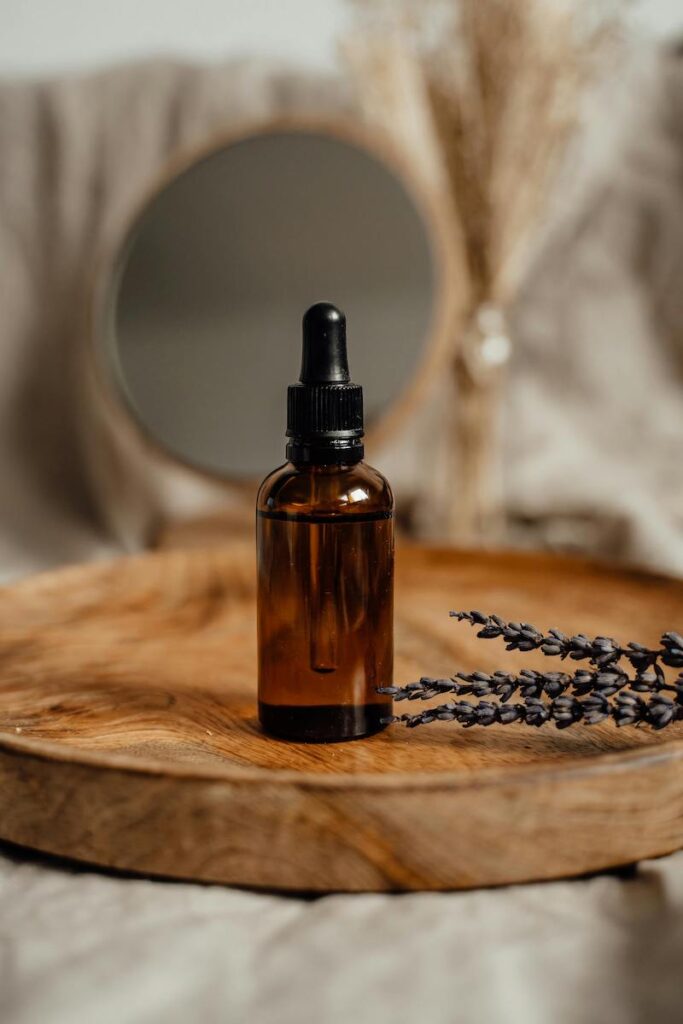
Thanks to our advice, taking care of your scalp has never been easier. So what could be better than giving your scalp a brand new routine to make it feel good? As part of a holistic approach to well-being, it's an essential first step to beautiful hair.
Jean-François Cabos is the creator of a unique hair care method based on the research he coordinated, which led to the publication of the book Hair, Roots of Life with Hélène Clauderer published by Robert Laffont (Collection "Réponses/ Santé").
