Extending the life of your hair, maintaining thick, supple, shiny and healthy hair, and preventing it from becoming thinner is often a challenge when the first signs of ageing hair appear, particularly after the age of 40.
Find expert advice here from the Clauderer specialists on how to keep the effects of time at bay when it comes to your hair.
Why women’s hair changes after the age of 40
For women, approaching their forties marks a turning point. The body changes imperceptibly; hair becomes finer and turns grey. Of course, this process varies from woman to woman, and some will retain jet-black hair and a full head of hair for decades. A combination of internal factors such as genetics and external factors (haircare routine, environment), the ageing of women’s hair is the result of a complex process.
The main causes of hair ageing
Internal factors responsible for hair thinning
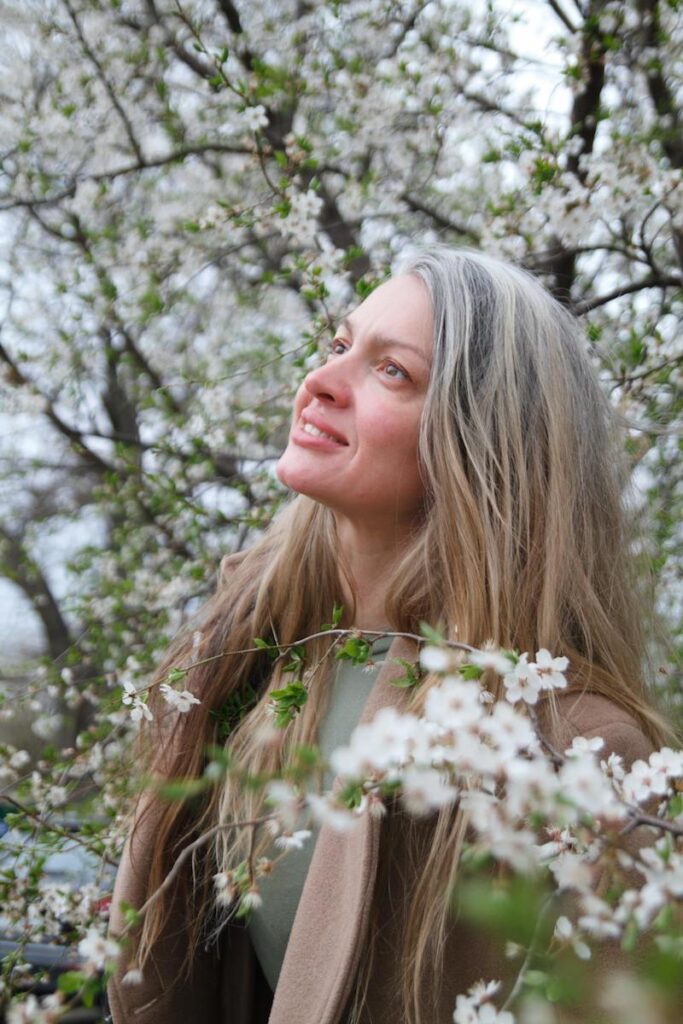
A visible sign of hair ageing: grey hair
- Biology: as a living organ, hair ages just like the body.
- Grey hair is one of the first visible signs of hair ageing: the body’s supply of melanin is depleted and the hair follicle eventually produces only colourless hair. Whilst age is the main factor, stress can contribute to premature greying.
- Thinning: a more insidious phenomenon, where the hair becomes finer, tangles, loses its shine, becomes brittle and is harder to style. You may notice thinning patches on the top of your head or around your temples and forehead. Hair density decreases, and your ponytail looks less full.
- hormonal influence:
- Menopause: female hormones protect against hair loss, but as time goes by, their positive effect gradually diminishes from the pre-menopause.
- Androgenetic alopecia which progresses as female hormone levels decline; this genetic predisposition may be exacerbated or even triggered by childbirth (post-partum hair loss).
- Inappropriate contraception: depending on the dosage, certain contraceptives may have a negative effect on the hair if the hair follicles are sensitive to DHT.
- Stress: work-related burnout and the stresses of everyday life. It’s often in one’s forties that everything starts to pile up! Chronic stress, or stress resulting from an emotional shock, can be a significant aggravating factor and exacerbate androgenetic hair loss. Stress can also increase, or even cause, reactive inflammation: dermatitis, an oily or excessively dry scalp, and an imbalance in the microbiome. More generally, the effects of stress on eating habits1 can lead to imbalances, excesses or deficiencies (iron) that take a long time to treat and weaken the hair.
Indirect causes that lead to accelerated hair ageing
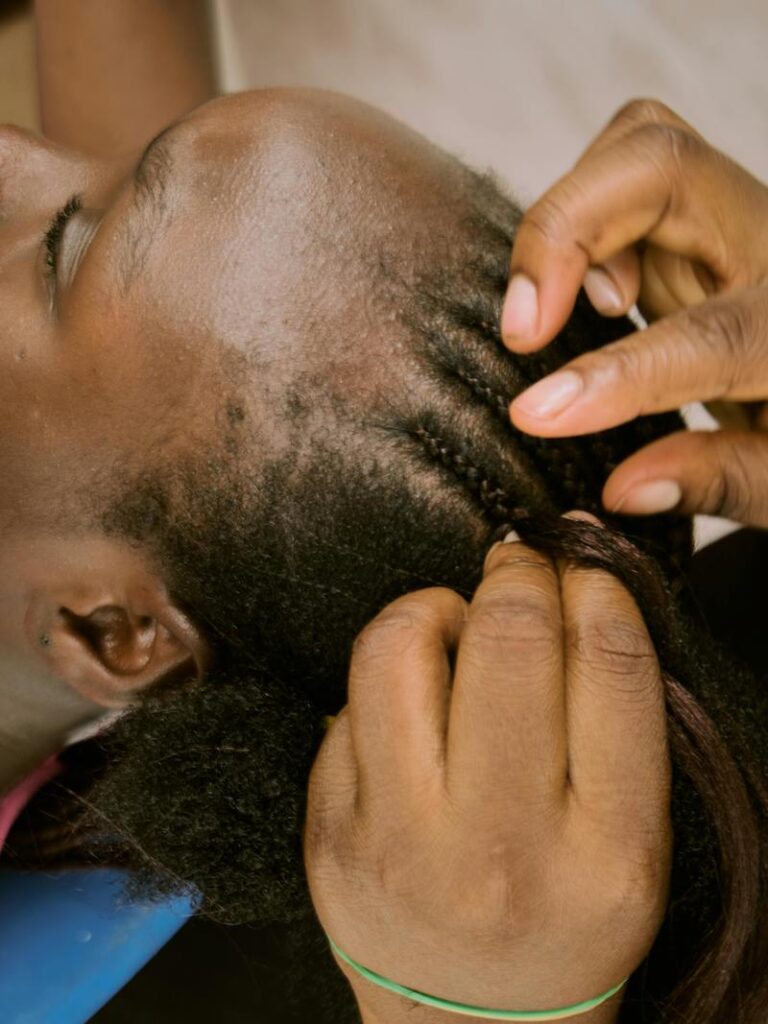
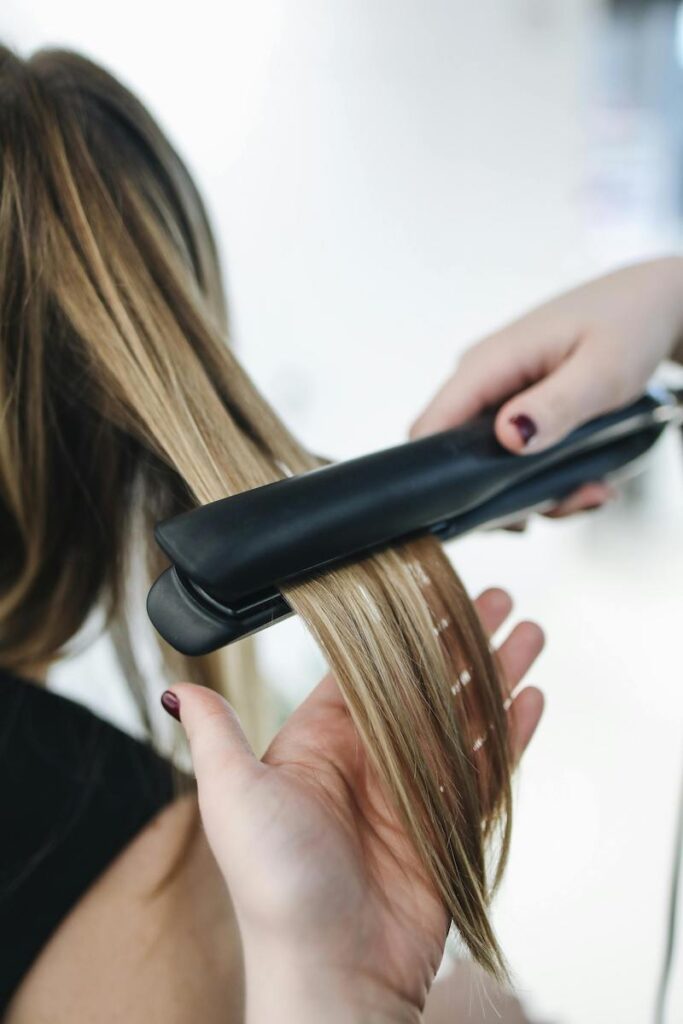
- Years of neglecting one’s hair care routine or following an unsuitable one. Repeated chemical colouring, blow-drying at high temperatures, harsh cosmetic treatments that damage keratin, and hair extensions that weigh down and pull on the roots… It’s not just Afro hair that suffers from’, traction alopecia as certain professional or fashionable hairstyles can also cause the hairline to recede, regardless of hair type. Hair breaks because the hair shaft is weakened, thinned and dehydrated due to a lack of proper care: some styling products need time to take effect, so don’t skip the processing time! In short, in our forties we start to pay the price for our past mistakes.
Hairstyles and repeated cosmetic treatments cause long-term damage to the hair
- Exposure to the sun or other external aggressors without protection: a hat or sun cream are essential to protect against free radicals, which are harmful to keratin and the scalp. You can effectively combat the harmful effects of oxidative stress by adopting a healthier lifestyle, supported by taking dietary supplements rich in vitamins (B, C) and antioxidants such as selenium.
Our tips for keeping your hair looking its best after the age of 40
In practice
- I’m having a clear-out in my bathroom: any products that have been open for more than six months, or if the texture or smell has changed… I’m throwing them away without a second thought
- I make informed choices: fewer but better products, multi-purpose skincare, natural formulations
- Beautiful hair depends not only on hair care products but also on the right tools: a wooden comb rather than a plastic one, and a silk hair tie rather than an elastic one
- I’m adopting a healthier lifestyle: making better food choices, doing a bit of exercise, and setting aside some time just for myself
- Blood tests, followed by appropriate treatment in the event of anaemia or a thyroid imbalance
A simple and effective beauty routine: 1, 2, 3!
- Scalp : It all starts here! You can’t have beautiful hair without a scalp that’s pH-balanced, soft to the touch and comfortable, free from redness or irritation, and without dandruff or flaky skin. A microbiota A healthy lifestyle promotes healthy hair growth. Here’s what to do: eat a healthy diet with fresh produce, and drink plenty of water (internal hydration). Cleanse gently. Be cautious with pharmaceutical treatments for flare-ups of psoriasis or dermatitis; their use should always be limited, and treatment should not be continued without medical advice. In the event of a flare-up or if you have a sensitive, weakened scalp, opt for a soothing lotion containing plant-based oils, such as Clauderer Lotions, which contain sage, rosemary, lavandin, sweet almond oil and wheat germ: everything needed to effectively and gently repair even the most sensitive scalps. Be careful with anti-dandruff shampoos if used frequently, as they can strip the delicate skin on the scalp.
- Hair follicles : The hair follicle is the matrix that produces the hair. It receives its supply of nutrients via the bloodstream. To activate it, there’s nothing quite like scalp massages, which stimulate microcirculation. Start at the nape of the neck and work your way up for 1 to 2 minutes – no longer – using your fingertips, without rubbing. Be careful with micro-needling and other metal-tipped brushes if your scalp is sensitive or irritated, as this could cause bleeding, pain and hair being pulled out. Nourish the hair follicle with targeted treatments: serums packed with growth-promoting ingredients, antioxidants, amino acids…Nourishing the body means nourishing the hair follicle – and therefore the hair itself – with dietary supplements specially formulated to revitalise the hair. Certain trace elements, such as zinc and copper, appear to stimulate melanin production and thus slow down the growth of grey hair.
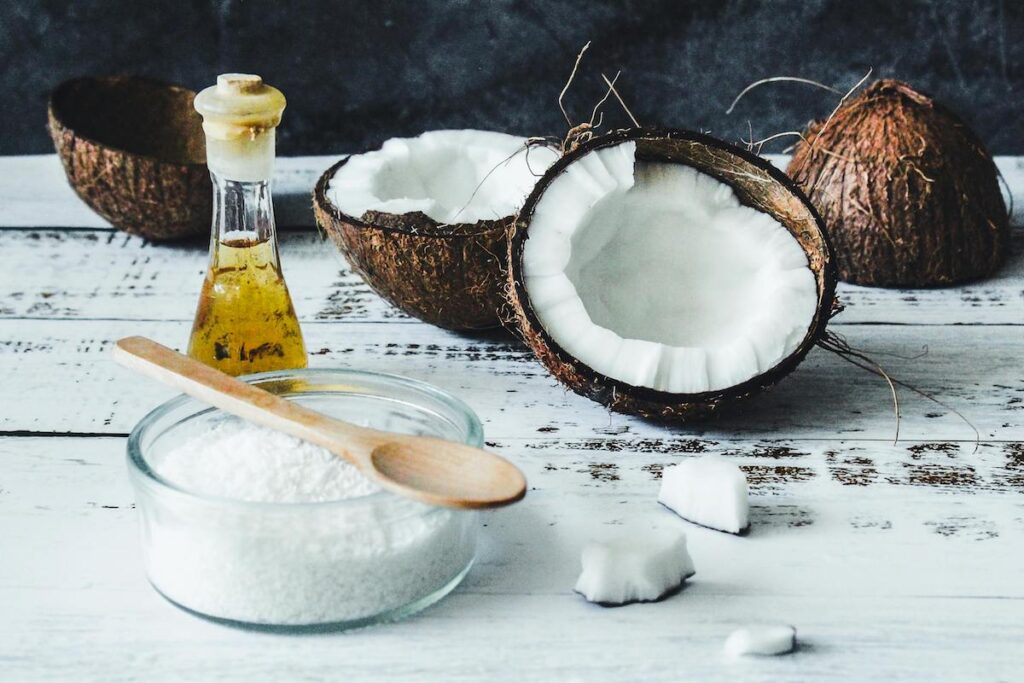
- Keratin : when hair has been subjected to numerous forms of damage, the effects are cumulative. If the lengths are too damaged to be saved, a quick trim to remove split ends is essential. Choose natural haircare products suited to your hair type. The essential daily routine for locking in moisture in Afro hair: spring water mixed with vegetable oil, and spacing out washes to avoid stripping the delicate fibre of textured hair. Coloured hair is often drier, with open cuticles and a porous fibre, so the texture of your styling product matters: a rich texture for thick hair, and a creamier one for fine hair. Regularly apply a deep conditioning treatment (hair mask), leaving it on long enough for the active ingredients to penetrate and strengthen the hair shaft. Switch to plant-based hair colour. Protect your hair with a cap, scarf or SPF lotion. Shampoo: choose according to your hair type and any scalp conditions you may have. We love the’castor oil, wheat germ, jojoba and coconut oil in comprehensive hair care products enriched with B vitamins that nourish the hair fibre. Nourishing conditioners or hair masks, either leave-in or rinse-out, are often useful for making detangling easier. Avoid using the hairdryer on too high a heat setting. Patience and gentleness are key to repairing and strengthening your hair after the age of 40.
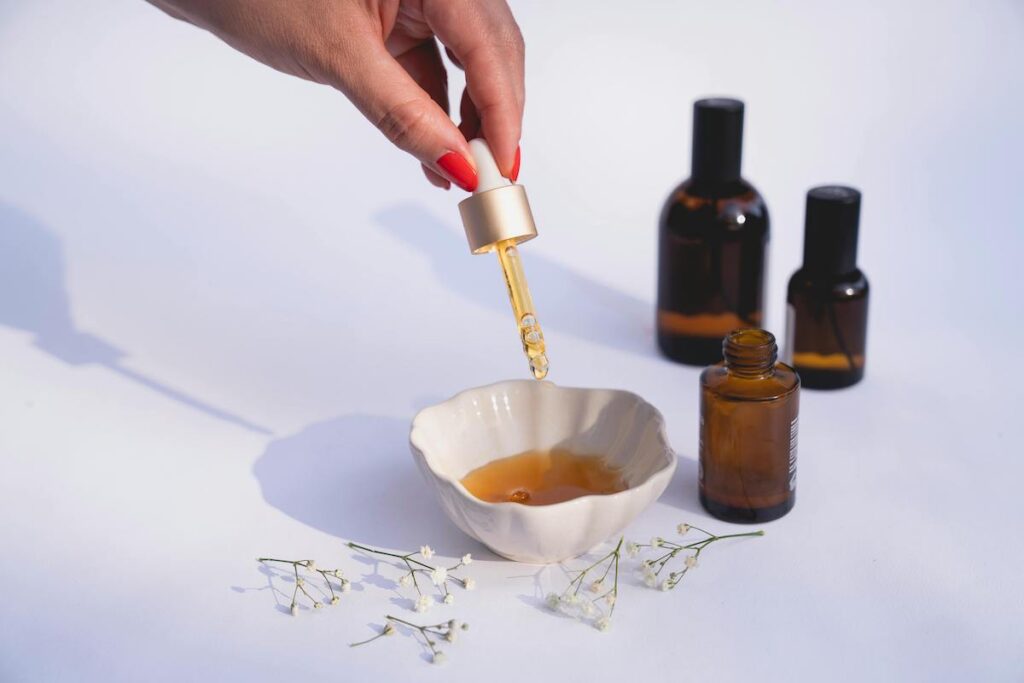
With targeted active ingredients and gentle, natural care, it’s easy to keep your hair looking young for longer
It’s never too late to choose a routine that will keep your hair looking young for as long as possible. Start by identifying your hair type, its main issues and your priorities. That way, you can easily adopt a strategy that will help prolong your hair’s vitality. Just a few minutes a day, with the right techniques and products, is all it takes to establish an effective, hassle-free hair care routine. Treat yourself, love your hair: it’s the best anti-ageing treatment there is!
- https://www.health.harvard.edu/healthy-aging-and-longevity/why-stress-causes-people-to-overeat ↩︎
Jean-François Cabos is the creator of a unique hair care method based on the research he coordinated, which led to the publication of the book Hair, Roots of Life with Hélène Clauderer published by Robert Laffont (Collection "Réponses/ Santé").
